 Photo by Hannah Davis
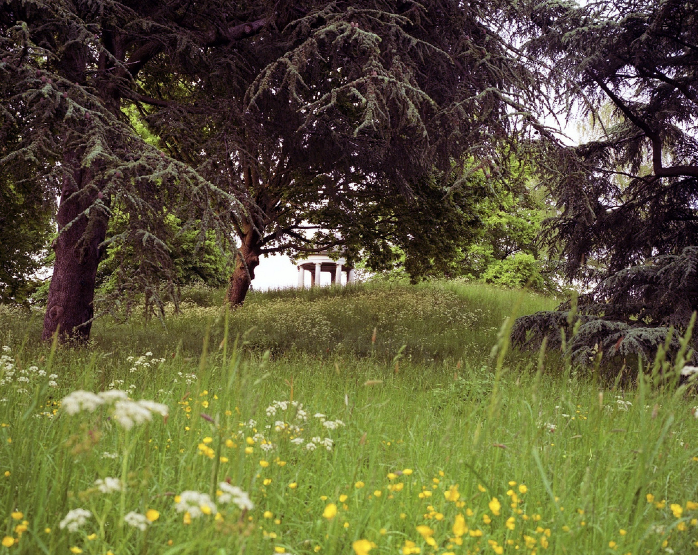
Achillea growing wild in a field

History: Achillea belongs to a genus of approx. 85 flowering hardy herbaceous perennials. The genus name refers to the mythical Greek hero Achilles and a thousand leaves refers to the leaf cut into a thousand parts. During the battle of Troy it is reputed that Achilles may have healed many warriors after being instructed in the yarrow’s ability to staunch the flow of blood from wounds hence common names of "allheal", "militaris" or "bloodwort". Yarrow was also used in an herbal tea to reduce fever, fight cold and cure indigestion. It may also be used as an insect deterrent by burning the leaves on hot embers and it's essential oils contain more of this powerful anti-inflammatory compound than chamomile. Yarrow essential oil is used for women's problems such as irregular and painful periods and to reduce excessive menstrual bleeding.
The ancient oracle of the I Ching is traditionally cast with Yarrow stalks which are thought to represent the Yin and Yang forces of the Universe in perfect balance.
Gardening: Easily grows in North Eastern temperate zones and can thrive in moderately irrigated soil and can sustain drought. Will bloom through summer and fall when deadheaded.
The bright yellow color against it's gray foliage can provide nice transitions in flower beds as well as arrangements to cooler hued less saturated parings.
Conditioning:This flower should only be cut when all the tiny flower heads are open then slice the stem vertically 2.5" remove lower foliage and place in clean cold water with a bactericide or biocide(needs to be re-cut daily and placed in fresh water for shop use). To preserve dip heads in powdered borax and hang upside down or place in a vase with very little water. This is actually a flower that is preferable to use when dried because of its tendency of corrupting the water for the accompanying stems and hasting the overall lifespan of the entire arrangement.
 Sophia Emma Magdalene Grieve (Neé Law)
(also known as Margaret, Maude, Maud or simply Mrs. Grieve)(1858-1941)According to the Principal and Founder of The Whins Medicinal and Commercial Herb School and Farm at Chalfont St. Peter in Buckinghamshire, England,
Mrs Grieve, girls determine whether their loves be true by sticking a yarrow leaf up into their nostrils while reciting the following rhyme:
Yarroway, Yarroway bear a white blow
If my love, love me my nose will bleed now...






 Posts
Posts


